



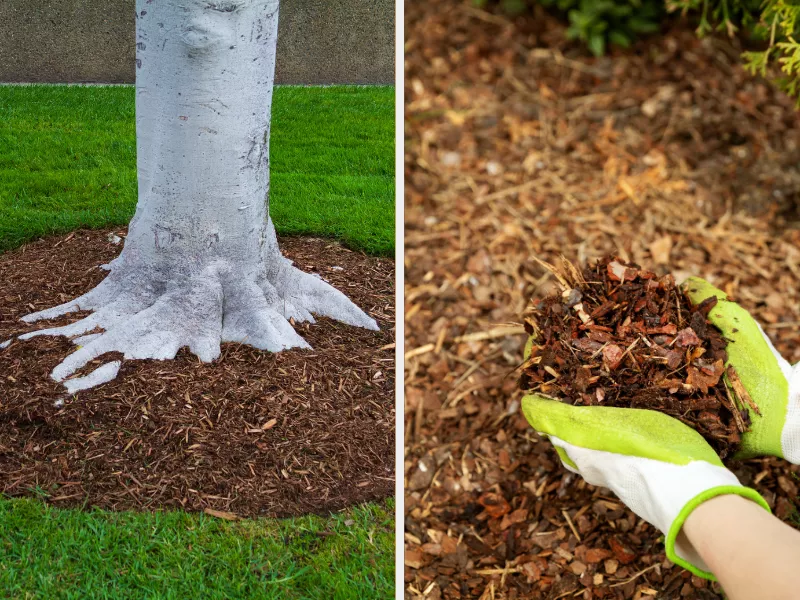
Difference Between Mulch and Wood Chips: Benefits, Garden Uses, and How Long They Take to Decompose
Difference Between Mulch and Wood Chips
Benefits, Garden Uses, and How Long They Take to Decompose
When caring for your garden, choosing the right ground cover matters. Many homeowners wonder about the difference between mulch and wood chips, and which one is better for their landscape. Both materials protect the soil, improve moisture retention, and create a polished look, but they’re not exactly the same.
This guide explains the key difference between mulch and wood chips, including their benefits, garden uses, and how long they take to decompose. You’ll also find clear answers to common questions like can you use wood chips as mulch, are wood chips good for garden use, and do wood chips attract termites.
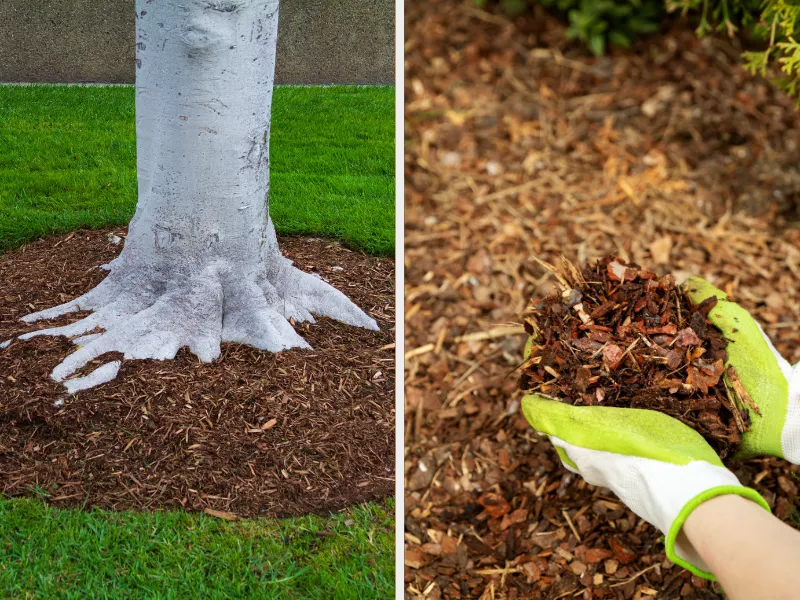
What Is Mulch?
Mulch is any material placed on the soil to lock in moisture, reduce weeds, and improve the soil’s overall condition. It can be made from natural materials like bark, leaves, and compost, or from inorganic options such as rubber and stones.
Organic mulch is the most popular for gardens because it adds nutrients back into the soil as it decomposes. Gardeners love mulch for its ability to keep soil cool in summer and warm in winter, making it a reliable layer of protection year-round.
What Are Wood Chips?
Wood chips are pieces of wood created by chipping branches, limbs, and trunks. They’re often collected during tree trimming or removal. Unlike store-bought mulch, wood chips are usually unprocessed and can include bits of bark and leaves.
They add a rustic, natural appearance to gardens and can be used for landscaping, walkways, or as ground cover around trees.
The Key Difference Between Mulch and Wood Chips
The primary difference between mulch and wood chips lies in their purpose and breakdown rate. Mulch is usually processed and blended to provide nutrients quickly. Wood chips, on the other hand, are chunkier and take longer to break down.
In short, all wood chips can serve as mulch, but not all mulch is made from wood chips. Mulch works best for improving soil health quickly. Wood chips are ideal when you need longer-lasting coverage and a natural look.
Benefits of Mulch
Using mulch offers multiple advantages for both plants and soil.
- Retains Moisture: Mulch helps soil stay damp longer, reducing the need for constant watering.
- Controls Weeds: A thick mulch layer keeps weeds from taking over your garden.
- Regulates Temperature: It shields roots from harsh weather conditions.
- Improves Soil: As it breaks down, mulch adds nutrients that support plant growth.
- Enhances Curb Appeal: It creates a neat, well-maintained look for flower beds and trees.
Mulch is a quick, effective solution for gardeners who want healthier soil and cleaner landscaping.
Benefits of Wood Chips
Wood chips provide excellent ground cover while maintaining a natural look.
- Budget-Friendly: Often available for free after tree care projects.
- Long-Lasting: They decompose slowly, which means less frequent replacement.
- Reduces Erosion: Perfect for slopes or pathways where soil washout is a concern.
- Regulates Soil Temperature: Keeps roots cool during hot weather and warm during cold months.
- Adds Texture: Offers a rustic charm that blends well with natural settings.
Wood chips are especially useful for large landscapes, tree bases, or garden walkways.
Can You Use Wood Chips as Mulch?
Yes, you can use wood chips as mulch. Many gardeners wonder can you use wood chips as mulch, and the answer is yes, but with some care. Wood chips work best around trees, shrubs, and pathways where the soil doesn’t need frequent turning.
However, because wood chips break down slowly, they can temporarily use up nitrogen in the soil as they decompose. To balance this, apply compost or a nitrogen-rich fertilizer before adding wood chips. This ensures your plants still receive the nutrients they need to grow strong and healthy.
Are Wood Chips Good for Garden Use?
Many people ask are wood chips good for garden use. The answer depends on your specific garden type. Wood chips are excellent for ornamental beds, tree bases, and walkways. They prevent weeds, reduce soil erosion, and hold in moisture.
For vegetable gardens, though, smaller mulch materials like compost or fine bark are better since they decompose faster and mix easily into the soil. Wood chips work best in areas where you don’t need to replant often.
How Long Does It Take for Wood Chips to Decompose?
You may be wondering how long does it take for wood chips to decompose. On average, wood chips take between 2 and 4 years to break down completely. The exact time depends on wood type, climate, and soil moisture.
Softwood chips like pine decompose faster than hardwoods such as oak. You can speed up the process by mixing chips with compost, keeping them moist, and turning them occasionally for better airflow.
While slow decomposition might seem like a disadvantage, it actually means less work since you won’t need to replace them often.
Do Wood Chips Attract Termites?
A frequent concern is do wood chips attract termites. Fresh wood chips can draw termites if they contain bark or sapwood. However, they typically prefer solid wood, not loose or decomposed material.
To reduce the risk:
- Keep wood chips a foot away from your home’s foundation.
- Avoid thick piles against wooden structures.
- Use aged or composted chips, as these are less attractive to pests.
When used correctly, wood chips are safe and effective for landscaping.
Mulch vs. Wood Chips: Which Should You Choose?
Here’s a simple way to decide:
| Goal | Best Choice | Reason |
| Improve soil quickly | Mulch | Breaks down fast and adds nutrients |
| Long-term coverage | Wood Chips | Decomposes slowly and lasts longer |
| Decorative beds | Both | Offers a clean, attractive look |
| Garden pathways | Wood Chips | Durable and resistant to erosion |
| Frequent planting | Mulch | Lighter and easier to move |
Your choice depends on how you plan to use it. If you need short-term soil improvement, mulch is better. If you want lasting protection, go with wood chips.
How to Apply Mulch or Wood Chips Properly
Proper application helps both materials perform at their best.
- Clear the area of weeds and debris.
- Add compost if needed to improve soil health.
- Spread mulch or wood chips 2 to 4 inches thick.
- Keep a small space around tree trunks to prevent rot.
- Refresh the layer annually as it settles or breaks down.
Following these steps helps keep your soil healthy and your garden beautiful all year.
Final Thoughts
Understanding the difference between mulch and wood chips helps you choose the right material for your garden’s specific needs. Mulch enriches soil faster and gives a polished finish. Wood chips last longer and offer natural protection.
Each has its advantages, and both can work together in different areas of your yard for a healthy, balanced landscape.
How Tree Surgeon Atlanta, LLC Can Help
At Tree Surgeon Atlanta, LLC, we care about keeping your trees and landscape in excellent condition. Our skilled team provides reliable tree care in Norcross, GA, and can guide you in choosing and applying mulch or wood chips correctly. With over 20 years of local experience, we focus on safety, transparency, and lasting results. Call (470) 892-1571 or get in touch now to schedule your service today.