



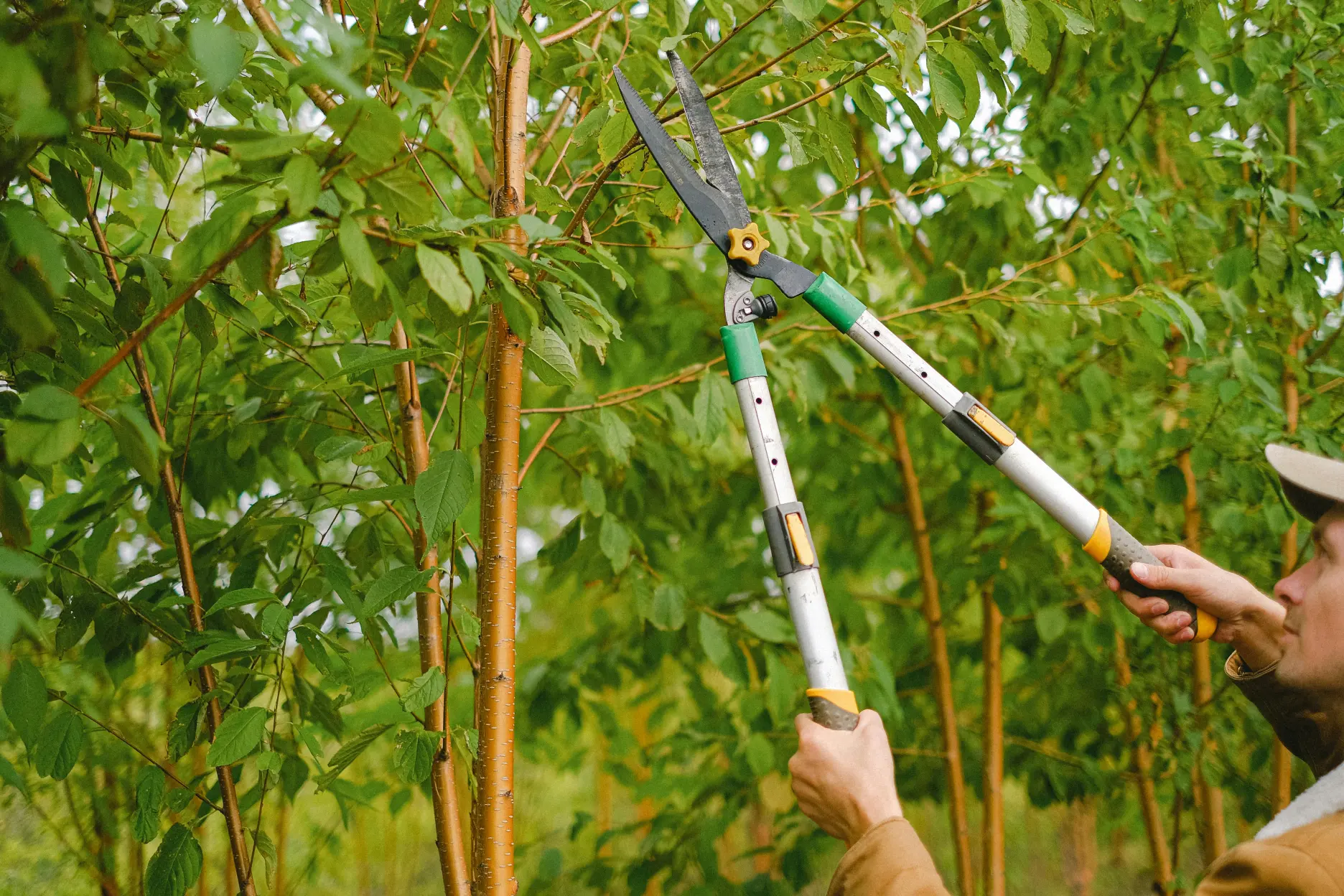
How Often Should You Trim Trees? A Seasonal Guide to Tree Trimming Frequency
How Often Should You Trim Trees? A Seasonal Guide to Tree Trimming Frequency
Maintaining healthy, safe, and beautiful trees is an essential part of home care. One of the most common questions homeowners ask is how often to trim trees and what the right schedule looks like throughout the year. Proper pruning not only improves appearance but also supports long-term tree health and prevents safety hazards.
This guide explains how often do trees need to be trimmed, the best seasons for pruning, warning signs to watch for, and practical tips to maintain the right tree trimming frequency for your property.
How Often to Trim Trees: The General Rule
So, how often to trim trees? In most cases, trees should be trimmed every 1 to 3 years, depending on their species, age, and condition.
Here’s a general breakdown:
- Fast-growing trees: Every 1–2 years
- Mature trees: Every 3–5 years
- Fruit trees: Annually for best yield
- Ornamental trees: Every 2–3 years
However, there is no one-size-fits-all answer. Factors like climate, soil conditions, and tree health all influence how often to get trees trimmed.
Why Tree Trimming Frequency Matters
Understanding proper tree trimming frequency is important for several reasons:
1. Tree Health
Regular pruning removes dead or diseased branches, allowing the tree to focus energy on healthy growth.
2. Safety
Overgrown branches can become hazardous, especially during storms or strong winds. Trimming reduces the risk of falling limbs.
3. Appearance
Well-maintained trees enhance curb appeal and improve the overall look of your landscape.
4. Property Protection
Branches growing too close to your home, roof, or power lines can cause costly damage if not maintained.
Seasonal Tree Trimming Guide
Knowing the right time of year for seasonal tree trimming is just as important as how often you trim.
1. Spring: Light Pruning and Inspection
Spring is ideal for inspecting trees after winter damage.
- Remove broken or dead branches
- Shape young trees for healthy structure
- Avoid heavy pruning, as trees are entering active growth
Spring trimming helps encourage strong new growth but should be done carefully.
2. Summer: Controlled Maintenance
Summer is suitable for light trimming and maintenance work.
- Remove fast-growing or unwanted branches
- Improve airflow through dense canopies
- Address safety concerns like low-hanging limbs
However, avoid heavy pruning during extreme heat, as it can stress the tree.
3. Fall: Minimal Trimming
Fall is generally not the best time for major trimming, but light maintenance is acceptable.
- Remove weak or damaged branches before winter storms
- Clear branches near roofs and gutters
- Avoid major cuts, as trees begin to conserve energy
Fall trimming helps prepare trees for harsh winter conditions.
4. Winter: Best Time for Major Pruning
Winter is often the ideal season for significant trimming and shaping.
- Trees are dormant, reducing stress
- Easier to see branch structure without leaves
- Lower risk of disease spread
- Encourages strong spring growth
For most species, winter is the best time for scheduled maintenance and structural pruning.
How Often Do Trees Need to Be Trimmed by Type
Different trees have different needs when it comes to how often do trees need to be trimmed.
1. Deciduous Trees
These trees lose their leaves annually and typically require trimming every 2–3 years, preferably in winter.
2. Evergreen Trees
Evergreens grow steadily and may need light trimming every 2 to 4 years to maintain shape.
3. Fruit Trees
Fruit trees require more frequent pruning, usually once a year, to improve fruit production and tree structure.
4. Fast-Growing Trees
Species like willows or poplars may require trimming every 1 to 2 years due to rapid growth.
Signs Your Trees Need Trimming
Even if you follow a schedule, it’s important to watch for signs that your trees need attention sooner.
1. Dead or Broken Branches
These branches pose a safety risk and should be removed immediately.
2. Overgrown Canopy
If branches are blocking sunlight or air circulation, it’s time for trimming.
3. Branches Near Structures
Limbs touching your roof, windows, or power lines require urgent pruning.
4. Leaning or Weak Growth
Uneven growth patterns may indicate structural issues.
5. Pest or Disease Damage
Infested branches should be trimmed to prevent spread.
Common Tree Trimming Mistakes to Avoid
Proper trimming is essential, but mistakes can harm your trees.
1. Over-Pruning
Removing too many branches can weaken the tree and stunt growth.
2. Improper Cutting Techniques
Poor cuts can lead to disease, decay, and structural instability.
3. Trimming at the Wrong Time
Cutting during active growth or extreme weather can stress the tree.
4. Ignoring Safety Risks
Large branches near power lines or buildings should never be handled without professional help.
Practical Tree Trimming Tips
To maintain healthy trees and the right tree trimming frequency, follow these tips:
- Always use clean, sharp tools
- Trim branches at the correct angle
- Focus on dead, damaged, or crossing branches first
- Avoid removing more than 25% of the tree at once
- Monitor tree health after trimming
Consistency is key to long-term tree care.
When to Call a Professional Arborist
While minor trimming can be done by homeowners, some situations require expert help.
Call a professional if:
- Trees are tall or near power lines
- Large branches need removal
- Trees show signs of disease or instability
- You are unsure about proper trimming techniques
Professional arborists ensure safe, precise trimming that protects both the tree and your property.
Final Thoughts
Understanding how often to trim trees is essential for maintaining a safe, attractive, and healthy landscape. By following a proper seasonal tree trimming schedule and adjusting based on species and growth rate, you can ensure your trees thrive year-round.
Whether you’re managing young trees or mature landscapes, knowing how often to get trees trimmed helps prevent damage, improve appearance, and support long-term growth. With the right care and attention, your trees will remain strong, beautiful, and safe for years to come.