



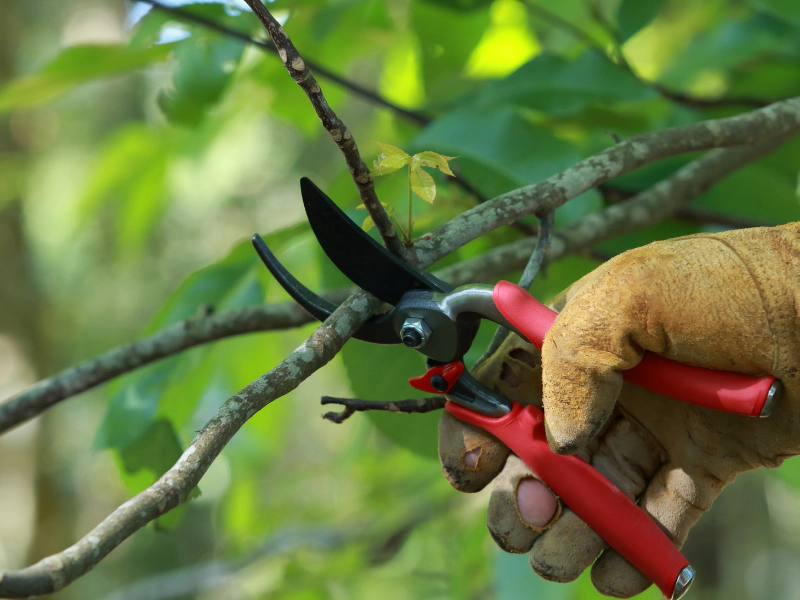
When to Prune Trees: Best and Worst Times for Pruning & Essential Seasonal Tree Pruning Tips
Trees are a long-term investment in your property. They provide shade, improve curb appeal, support local ecosystems, and can increase property value. Like any part of your landscape, trees need regular care to stay healthy and safe. One of the most important aspects of tree maintenance is pruning.
Many homeowners know that pruning is necessary, but they are often unsure when to prune trees for the best results. Timing plays a major role in a tree’s health, growth, and ability to recover from cuts. Pruning at the right time can encourage healthy development and reduce the risk of disease. Pruning at the wrong time may leave a tree vulnerable to stress, pests, and poor growth.
Whether you are caring for mature shade trees, flowering ornamentals, or fruit trees, understanding proper pruning schedules can help you make informed decisions. This guide explains the best time to prune trees, the worst time to prune trees, and practical tree pruning tips to keep your landscape thriving throughout the year.
Why Tree Pruning Is Important
Pruning is more than removing branches that look out of place. It is a key part of maintaining tree health and reducing potential safety hazards.
Proper pruning can help:
- Remove dead or damaged limbs
- Improve airflow through the canopy
- Encourage strong branch structure
- Reduce the risk of falling branches
- Improve sunlight penetration
- Enhance the overall appearance of the tree
- Prevent branches from interfering with homes, driveways, and utility lines
Routine pruning also makes it easier to identify signs of disease, decay, or storm damage before they become serious problems.
When pruning is performed correctly and at the right time, trees are better equipped to grow strong and remain healthy for years to come.
When to Prune Trees for Healthy Growth
The answer to when to prune trees depends on several factors, including the tree species, age, condition, and the reason for pruning.
In most cases, pruning during a tree’s dormant period provides the best results. Dormancy typically occurs during late winter before new spring growth begins.
During this time, trees are conserving energy rather than actively growing. As a result, pruning creates less stress and allows wounds to heal efficiently once growth resumes in spring.
Pruning during dormancy also offers a clearer view of the tree’s structure because leaves are no longer blocking branches.
The Best Time to Prune Trees
For many species, late winter is considered the best time to prune trees.
By late winter, trees are nearing the end of their dormant cycle and preparing for spring growth. Pruning during this period helps direct energy toward healthy new growth while minimizing stress.
Benefits of dormant-season pruning include:
- Better visibility of branch structure
- Faster recovery during spring
- Reduced exposure to insects
- Lower risk of certain diseases
- Improved tree shape and balance
Many deciduous trees respond particularly well to pruning during late winter.
Understanding Seasonal Tree Pruning
Every season affects trees differently. Understanding seasonal tree pruning can help you determine the most appropriate time for maintenance.
Winter Pruning
Winter is often the preferred season for larger pruning projects.
Without leaves, it is easier to inspect the tree and identify weak, damaged, or crossing branches. Winter pruning is commonly recommended for many deciduous trees because it promotes vigorous spring growth.
Winter is often a good time to remove:
- Dead branches
- Broken limbs
- Weak growth
- Structural defects
Since insect activity is lower during colder months, pruning wounds are generally less exposed to pests.
Spring Pruning
Spring pruning can be beneficial when performed carefully.
Many property owners wait until spring to assess winter damage and remove affected branches. This season can also be useful for correcting minor structural issues.
However, flowering trees require special consideration.
Trees that bloom in early spring often develop flower buds during the previous growing season. Pruning too early may remove those buds and reduce flowering.
For species such as dogwood, redbud, and flowering cherry, pruning shortly after blooming is usually recommended.
Summer Pruning
Summer pruning is often used to control growth and improve appearance.
Light pruning during summer may help:
- Improve visibility and clearance
- Reduce excessive growth
- Remove damaged branches
- Increase airflow through the canopy
Summer pruning can also make it easier to spot branches affected by disease or storm damage.
While light pruning is often acceptable, major pruning projects should generally be avoided during periods of extreme heat.
Fall Pruning
Fall is typically not considered the ideal time for extensive pruning.
As trees prepare for dormancy, their growth slows and recovery becomes less efficient. Fresh cuts made during fall may encourage new growth that is vulnerable to cold temperatures.
For this reason, major pruning projects are often postponed until winter unless immediate safety concerns exist.
The Worst Time to Prune Trees
Knowing the worst time to prune trees can be just as important as knowing the best time.
Although emergency situations may require immediate action, certain periods can increase stress on trees and slow recovery.
Early Fall
Early fall is often one of the least favorable times for pruning.
Cuts made during this period may stimulate new growth that does not have enough time to mature before winter arrives.
This new growth can become damaged by freezing temperatures and weaken the tree.
During Extreme Heat
Trees naturally experience stress during prolonged periods of heat and drought.
Heavy pruning during these conditions may place additional strain on the tree and slow its recovery process.
During Active Disease Seasons
Certain diseases spread more easily during specific times of the year.
Fresh pruning wounds can sometimes provide an entry point for infection. Understanding local disease concerns and tree species can help determine the safest time for pruning.
When to Prune Different Types of Trees
Not all trees have the same pruning requirements.
Understanding the needs of different species helps maximize tree health and appearance.
Deciduous Trees
Deciduous trees lose their leaves annually and generally benefit from dormant-season pruning.
Common examples include:
- Oak
- Maple
- Elm
- Birch
Late winter pruning encourages healthy spring growth while minimizing stress.
Evergreen Trees
Evergreens typically require less pruning than deciduous trees.
Common evergreen species include:
- Pine
- Cedar
- Fir
- Spruce
Late winter and early spring are often suitable times for pruning evergreens. Care should be taken not to remove excessive foliage.
Fruit Trees
Fruit trees require regular pruning to support healthy production.
Pruning can help:
- Improve sunlight exposure
- Increase air circulation
- Encourage fruit development
- Maintain manageable growth
Many fruit trees are pruned during late winter before new growth begins.
Flowering Trees
Flowering trees should be pruned according to their bloom cycle.
Spring-flowering trees are often pruned after blooming, while summer-flowering varieties can frequently be pruned during dormancy.
Following the proper schedule helps preserve flowers while supporting tree health.
Tree Pruning Tips for Better Results
Following a few basic tree pruning tips can help improve the outcome of your pruning efforts.
Use Clean, Sharp Tools
Sharp tools create cleaner cuts that heal more efficiently.
Common pruning tools include:
- Hand pruners
- Loppers
- Pole pruners
- Pruning saws
Cleaning tools between cuts can also help reduce the spread of disease.
Remove Dead and Damaged Branches First
Begin by removing branches that are:
- Dead
- Broken
- Diseased
- Crossing or rubbing against one another
This helps improve tree health without removing unnecessary growth.
Avoid Over-Pruning
Trees depend on their leaves to produce energy.
Removing too much foliage at once can create stress and reduce the tree’s ability to recover.
A gradual approach is often more beneficial than aggressive pruning.
Make Proper Cuts
Branches should be removed just outside the branch collar, which is the slightly raised area where the branch meets the trunk.
This allows the tree to seal the wound naturally and recover more effectively.
Avoid Topping Trees
Tree topping involves removing large portions of the upper canopy.
Although some property owners view topping as a quick solution, it often creates long-term problems such as weak regrowth and poor structural development.
Proper pruning methods are a safer and healthier alternative.
Common Tree Pruning Mistakes to Avoid
Even small mistakes can affect the health and appearance of a tree.
Pruning at the Wrong Time
One of the most common mistakes is ignoring seasonal timing.
Understanding the best time to prune trees helps reduce stress and support healthy growth.
Ignoring Safety Concerns
Large branches can be dangerous to remove without the proper equipment and training.
Trees located near homes, driveways, or utility lines require careful planning. If a damaged tree poses an immediate risk, professional Emergency Tree Services can help address the situation safely.
Waiting Too Long After Storm Damage
Storms can leave behind cracked limbs, split branches, and weakened structures that are not always visible from the ground.
Scheduling Storm Damage Tree Services after severe weather can help identify hazards before they lead to additional property damage or injury.
Overlooking Signs of Declining Tree Health
Pruning often reveals signs of disease, decay, or pest activity that may otherwise go unnoticed.
A professional Tree Health Assessment can help identify underlying issues and determine the most effective treatment plan before problems become more severe.
Signs Your Trees May Need Pruning
Many trees show visible signs when maintenance is needed.
Look for:
- Dead or hanging branches
- Limbs extending over structures
- Branches blocking walkways or driveways
- Dense canopies with poor airflow
- Uneven or unbalanced growth
Routine inspections can help catch these issues early and prevent larger problems later.
When to Hire a Professional for Tree Pruning
While homeowners can often manage minor pruning tasks, larger projects are best handled by trained professionals.
Professional assistance may be necessary when:
- Trees are tall or difficult to access
- Branches are located near power lines
- Storm damage is present
- Disease is suspected
- Structural issues are visible
For routine maintenance that improves tree health and appearance, professional Tree Trimming Services can help ensure the work is completed safely and correctly.
In situations where a tree is dead, severely damaged, or no longer safe to keep, Tree Removal Services may be necessary to protect your property and surrounding landscape.
Conclusion
Understanding when to prune trees is an important part of maintaining a healthy and attractive landscape. Proper timing can encourage strong growth, improve tree structure, and reduce the risk of disease. For many species, the best time to prune trees is during late winter when trees are dormant and preparing for spring growth. Knowing the worst time to prune trees and following practical tree pruning tips can help you avoid common mistakes and support long-term tree health. With the right approach to seasonal tree pruning, your trees can remain strong, safe, and beautiful throughout the year.
At Tree Surgeon Atlanta, LLC, we have been providing dependable tree care services for more than 20 years. We understand that every tree and every property is different, which is why we take the time to evaluate your concerns and recommend solutions tailored to your needs. Whether you need pruning, tree trimming, tree removal, or help assessing the health of your trees, our team is committed to delivering quality workmanship and honest guidance. We proudly serve homeowners throughout the Norcross area with free assessments, financing options, and discounts for military members, veterans, seniors, first responders, and teachers. Call (470) 892-1571 today to schedule your consultation.